
Read verified JCA customer feedback with clear source attribution.
G Google Reviews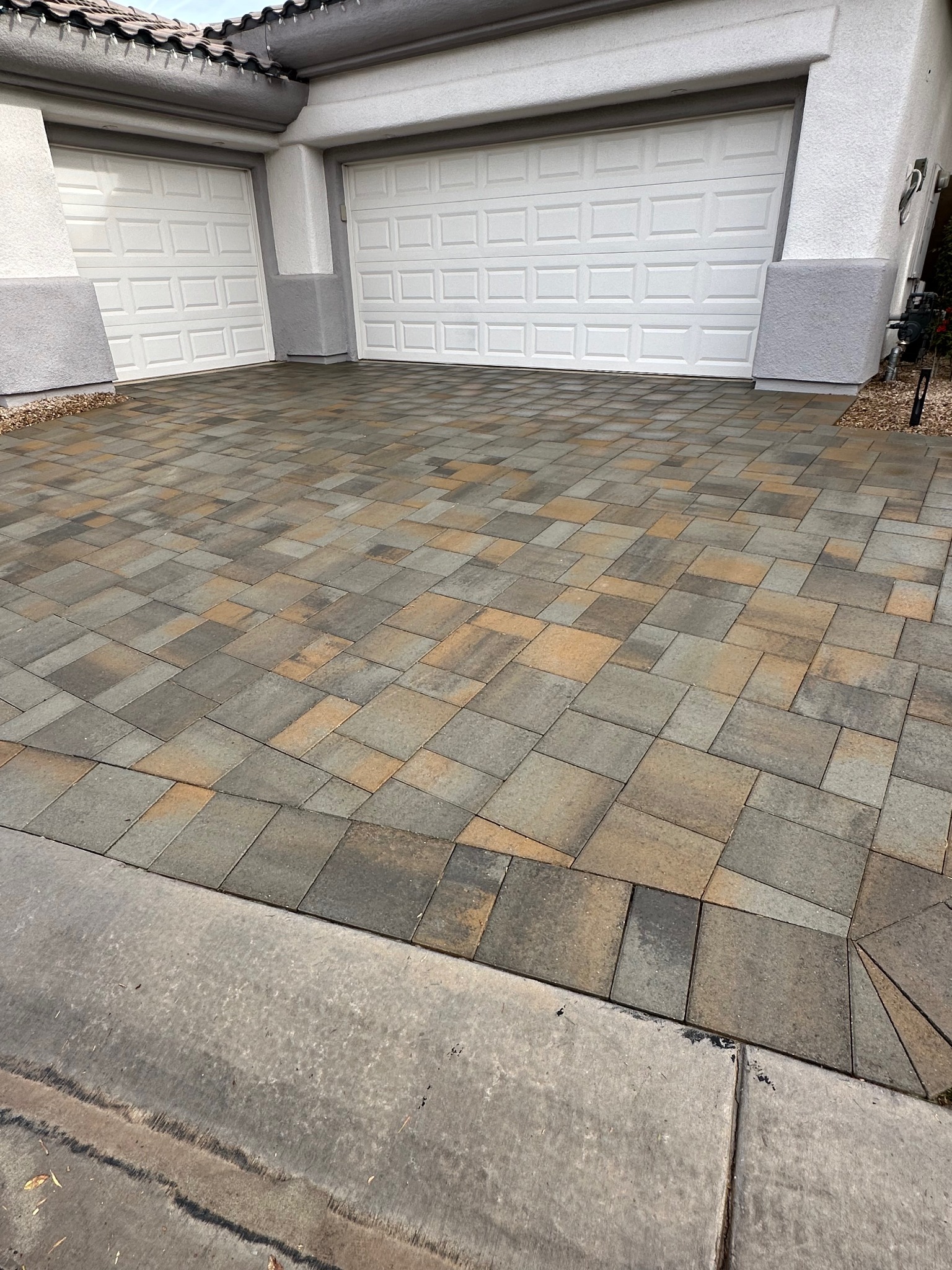
Stain & Contamination Removal
Professional assessment and surface-specific treatment for white haze, powdery deposits, mineral buildup and related discoloration on concrete and compatible exterior hardscape.
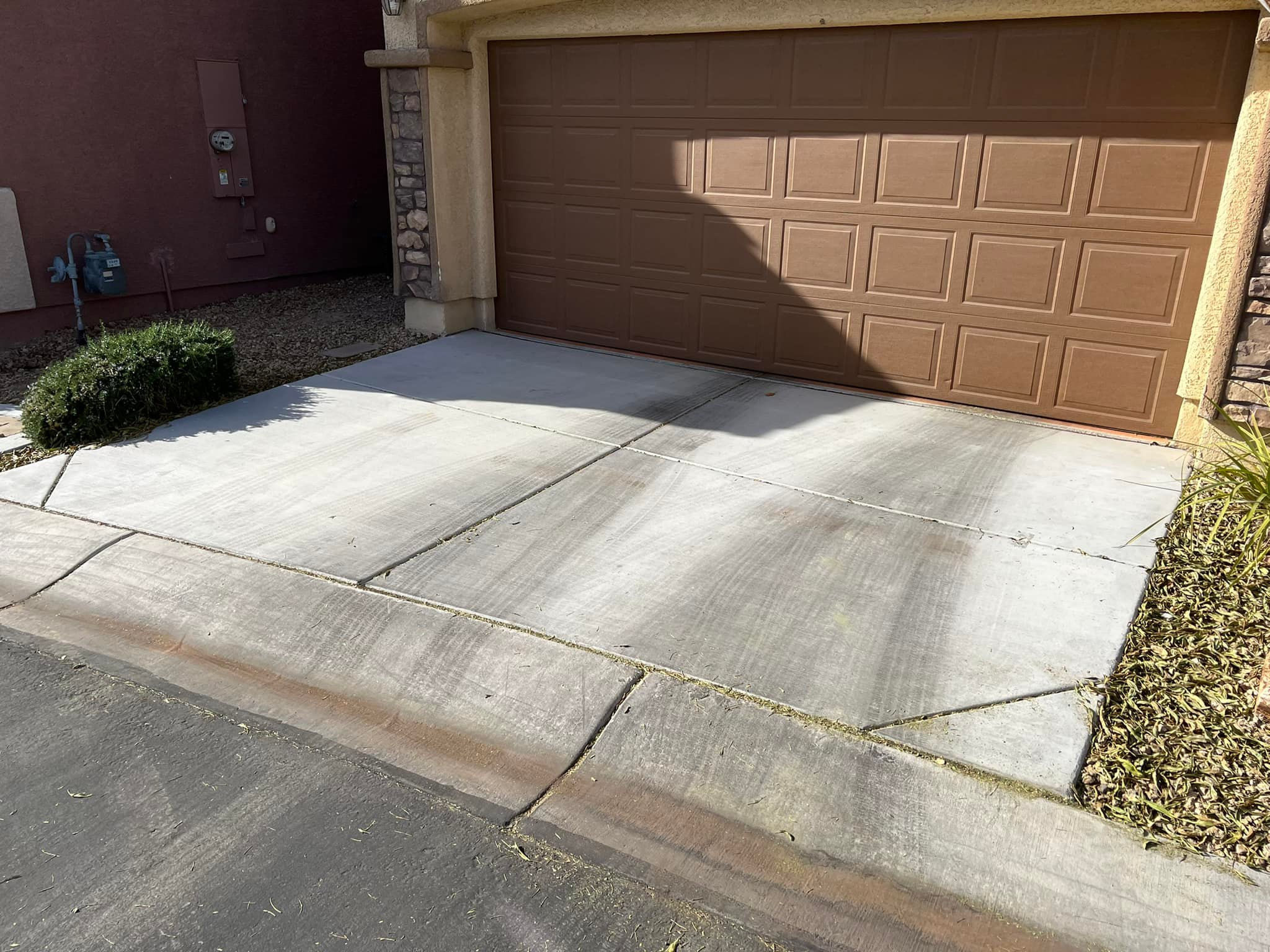
White residue on a driveway, wall, patio or other masonry surface may be efflorescence, hard-water mineral buildup, construction residue or another condition with a similar appearance. The color alone does not identify the source. JCA Surface Restoration & Pressure Washing evaluates the material, deposit pattern, moisture or irrigation history, existing finish and previous treatment before recommending service.
Some deposits can improve substantially, while deeply established minerals, repeated water exposure, surface etching or coating damage may remain visible. Submit the lead form and upload clear photos when available so JCA can review the condition and determine whether an on-site assessment or controlled test area is appropriate.
⌖ Serving the Las Vegas Valley.
Stain & Contamination Removal
Efflorescence and other mineral deposits are visual symptoms of material movement or repeated water exposure. Their appearance can range from a light white haze to powder, streaks, crusting or concentrated rings. Location, texture and recurrence provide useful context, but a photo or color alone cannot confirm the exact condition.
Efflorescence can develop when moisture moves through or across concrete, masonry or paver materials, carries soluble salts to the surface and leaves deposits behind as the water evaporates. A one-time construction-related condition may behave differently from deposits driven by recurring irrigation, drainage or moisture movement.
Sprinkler overspray, leaking irrigation components, evaporating runoff and repeated wetting can leave mineral spots, bands or vertical streaks. Surface treatment may improve the visible buildup, but it does not correct the water source. Ongoing exposure can cause the condition to return after service.
Dust, grout or mortar residue, sealer haze, coating failure, oxidation and physical surface wear may resemble mineral deposits. JCA does not label every white mark as efflorescence. The surrounding material, project history and how the residue responds during assessment help determine whether this service is a suitable match.
Stain & Contamination Removal
Porosity, finish, age, density and weathering affect how deposits attach to concrete and masonry. A lightly deposited haze on sound bare concrete is different from thick buildup on a worn, porous or previously treated surface. JCA evaluates the substrate before selecting a compatible restoration direction.
Sealer, paint, coatings and integral color can limit treatment options. White appearance on a finished surface may involve trapped moisture, sealer whitening or finish deterioration rather than removable mineral residue alone. Cleaning cannot rebuild a failed coating or reverse permanent color change, and JCA may recommend a different trade when the condition falls outside surface cleaning.
Paver composition, color, joints, moisture movement and previous sealer can change the assessment. For a paver-specific condition, review JCA’s paver efflorescence removal service. Keeping the paver service separate prevents material-specific guidance from being flattened into a general concrete page.
A mineral deposit may return when irrigation overspray, leaking fixtures, poor drainage or repeated runoff continues. JCA can address a compatible surface condition, but the property owner or appropriate specialist should correct the source when possible. This service does not include plumbing, irrigation, drainage or waterproofing repair.
Stain & Contamination Removal
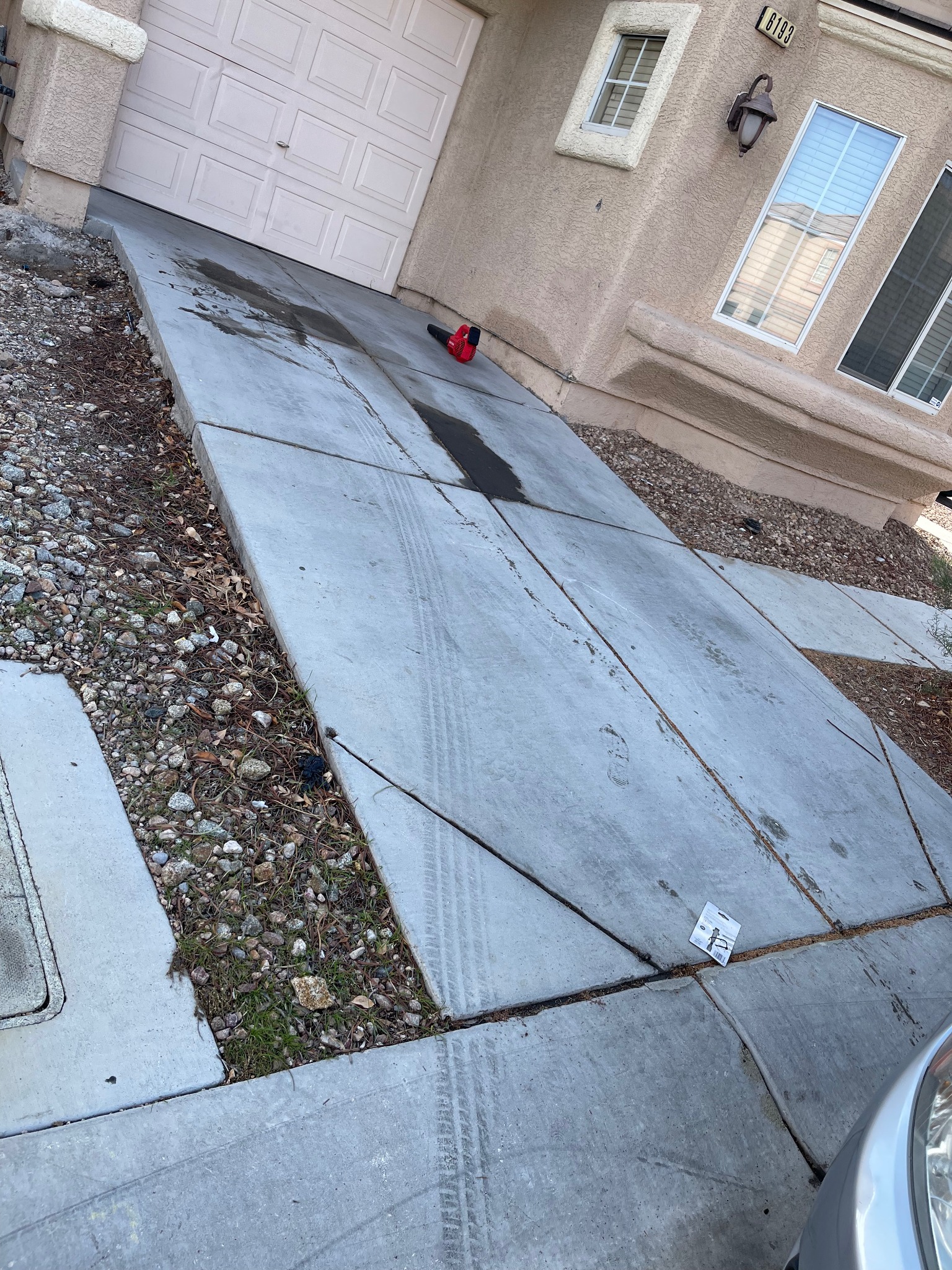
A recent powdery deposit can differ from dense, layered or repeatedly redeposited mineral buildup. Thickness, estimated age, how often the area becomes wet and whether the material has bonded within the surface texture all affect the realistic improvement goal.
Weathered, porous or etched materials may retain contrast even after removable residue improves. A sealed or colored finish can also react differently from bare concrete. JCA separates treatable surface deposits from wear, finish loss and physical damage that cleaning cannot reverse.
Household acids, mineral removers, pressure washing, wire brushing and earlier professional treatments may alter the deposit or surrounding finish. JCA asks what was used and how the area changed so the assessment accounts for previous exposure and avoids repeating an unsuitable direction.
Stain & Contamination Removal
White haze, powder or crusting normally belongs on this page, while orange, reddish or brown discoloration may involve iron-bearing water, corroding metal or another source. For that condition, review JCA’s concrete rust-stain removal service. When the source is uncertain, upload both wide and close photos instead of selecting a service by color alone.
Stain & Contamination Removal
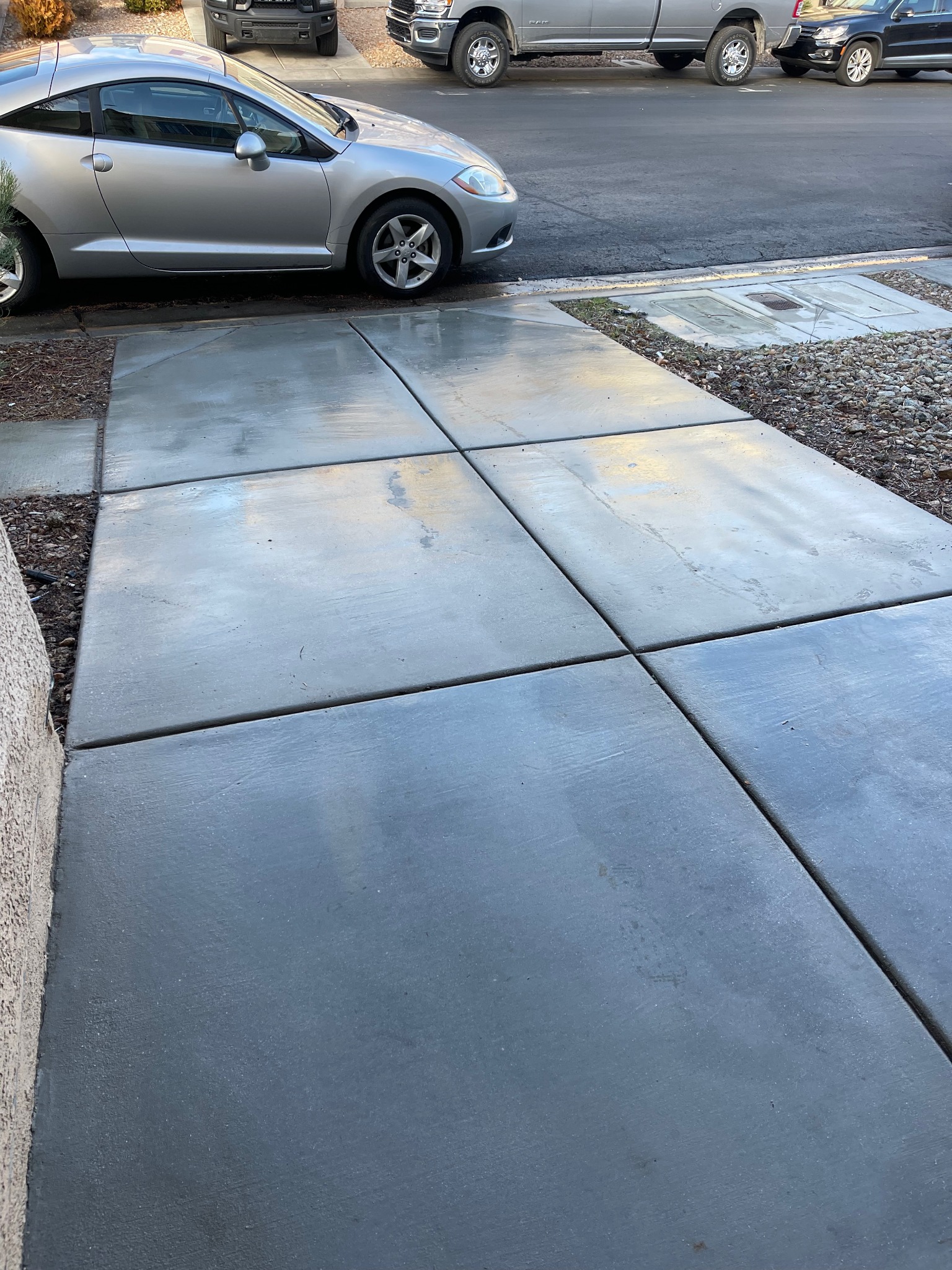
A localized white deposit, repeated mineral trail or efflorescence condition belongs on this page. When the concern is broad grime, soil, traffic film or general buildup across concrete flatwork, review JCA’s concrete surface cleaning and restoration services. Separating a specific mineral condition from general cleaning keeps the service scope aligned with the actual property problem.
Stain & Contamination Removal
JCA combines surface-specific chemistry with an engineered restoration process. The service begins by reviewing the material, deposit pattern, likely moisture or water source, existing finish and treatment history before selecting a compatible restoration direction. The goal is responsible treatment selection and an honest evaluation of the finished condition.
Exact products, ratios, dwell times, agitation methods, neutralization details and treatment sequences remain part of JCA’s private field system. Customers receive professional judgment without a public do-it-yourself recipe. The visible page focuses on surface compatibility, limitations, source correction and realistic expectations.
Stain & Contamination Removal
JCA does not guarantee complete removal, prevent recurrence or promise a like-new surface. Photos do not confirm that every white mark is efflorescence. This service does not include structural repair, resurfacing, coating restoration, waterproofing, leak repair, plumbing, irrigation repair, drainage correction, mold remediation or interior moisture investigation. It also does not target window glass or broad stucco restoration.
Stain & Contamination Removal
JCA serves Las Vegas, North Las Vegas and Henderson, with service available in surrounding communities including Summerlin, Spring Valley, Enterprise and Paradise. JCA is a mobile service-area business with no public storefront. Availability and project fit depend on location, surface material, deposit condition, likely source, access and requested scope.
For other contaminant-specific conditions, explore JCA’s stain and contamination removal services.
Stain & Contamination Removal
Review genuine customer experiences involving JCA’s communication, completed work and service quality below.
Stain & Contamination Removal
Include one wide image showing the deposit location and surrounding area; one close image showing texture, thickness and surface finish; and another view showing irrigation, runoff, drainage, walls, joints or other possible moisture sources. Provide the approximate length and width, estimated age, whether the area becomes wet repeatedly and anything already used on the surface.
Photo upload is optional. Desktop users can choose existing image files. Mobile and tablet users can take a new photo or choose existing photos. Up to five images may be included.
Stain & Contamination Removal
Describe the affected material, deposit location, approximate size and age, when the area becomes wet, whether the water source has been corrected and what has already been tried. Include photos if available, then submit the lead form. JCA will review the information and follow up about whether the project appears to fit this service and what the appropriate next step may be.
COMMON QUESTIONS
Efflorescence is a surface deposit that can form when moisture carries soluble salts through or across concrete, masonry or pavers and leaves them behind as water evaporates. Similar-looking white residue can have other causes, so appearance alone is not a complete diagnosis.
No. Complete visual removal is not guaranteed. Results depend on the deposit, age, thickness, recurrence, surface porosity, finish, existing damage and previous treatment.
It can return when moisture movement, irrigation overspray, runoff or another source continues. JCA treats compatible surface conditions but does not repair the underlying water, drainage or waterproofing source.
Photos help show pattern, texture, location and nearby moisture sources, but they do not confirm every white deposit. Final identification and treatment suitability may require an on-site evaluation or controlled test area.
Some mineral buildup from irrigation or repeated water exposure may be suitable for assessment. The surface finish, deposit density, water source and existing damage determine what improvement is realistic.
Paver conditions are assessed through JCA’s Paver Restoration service because paver material, joints, color and previous sealer affect suitability. Pavers should not be treated as identical to bare concrete.
Not necessarily. Whitening, trapped moisture, coating failure or application issues can resemble mineral deposits. Cleaning may not correct a failed finish, and JCA may recommend a different service or trade after assessment.
ASSESSMENT FIRST
Send project details and optional photos. JCA will review the visible condition and determine whether more information or an on-site assessment is needed.
LOCAL. RELIABLE. TRUSTED.
Professional surface restoration for residential and commercial properties throughout the Las Vegas Valley.
WHAT OUR CLIENTS SAY
Read verified JCA customer feedback with clear source attribution.
G Google Reviews
See JCA customer feedback on Thumbtack without invented review totals.
T Thumbtack Reviews
NEXT STEP
Send JCA project details and optional photos for a preliminary review.